Female orgasm is a fascinating and complex topic, and generally speaking, it is more difficult for women to achieve orgasm compared to men. However, the female body has the unique capacity to experience several different types of climaxes. Based on different stimulation points, female orgasms can be primarily categorized into three types: clitoral, G-spot, and cervical orgasms. Here is a breakdown of what these different types of orgasms actually feel like.
1. Clitoral Orgasm
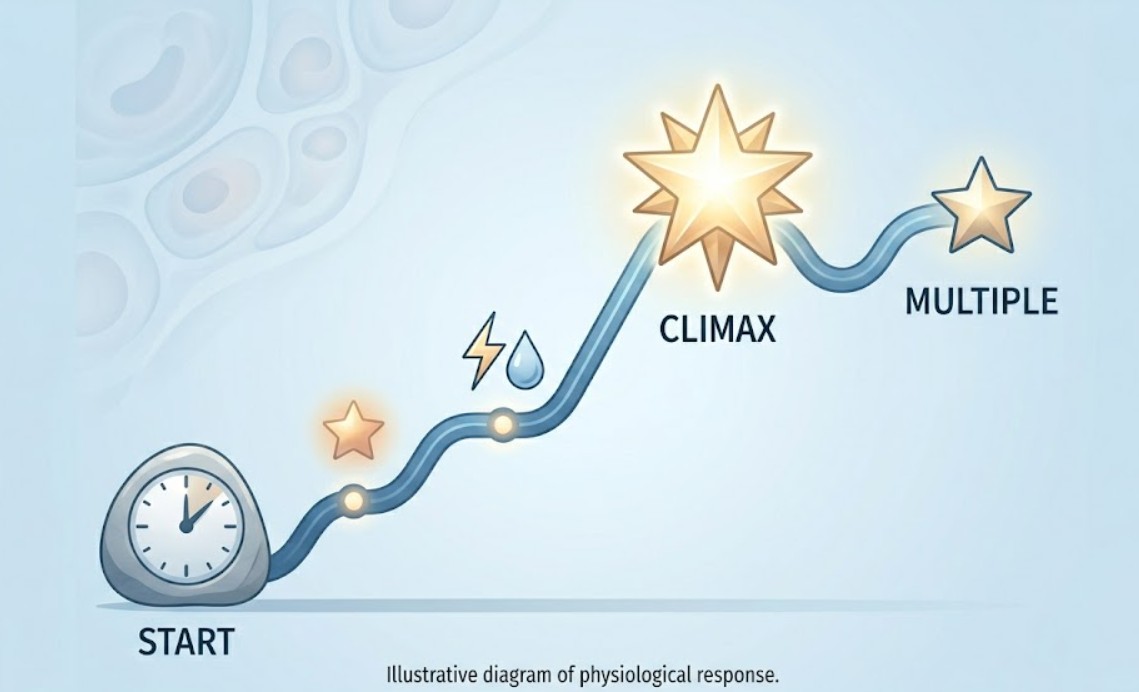
The quickest, most accessible, and most common way for a woman to reach climax is through clitoral stimulation. This can easily be achieved through masturbation or foreplay.
The sensation typically begins as a warm current that slowly wells up. During this build-up, some women might experience a slight tingling sensation or even a sudden urge to urinate. As the stimulation reaches its peak, there is a very strong sense of release. This climax is usually accompanied by involuntary bodily twitching and shaking that lasts for about 10 seconds before subsiding.
The most significant difference between male and female orgasms is that women are capable of experiencing multiple orgasms. After a clitoral climax, a woman can immediately receive further stimulation to reach another orgasm, allowing for a continuous cycle of pleasure.
2. G-Spot Orgasm
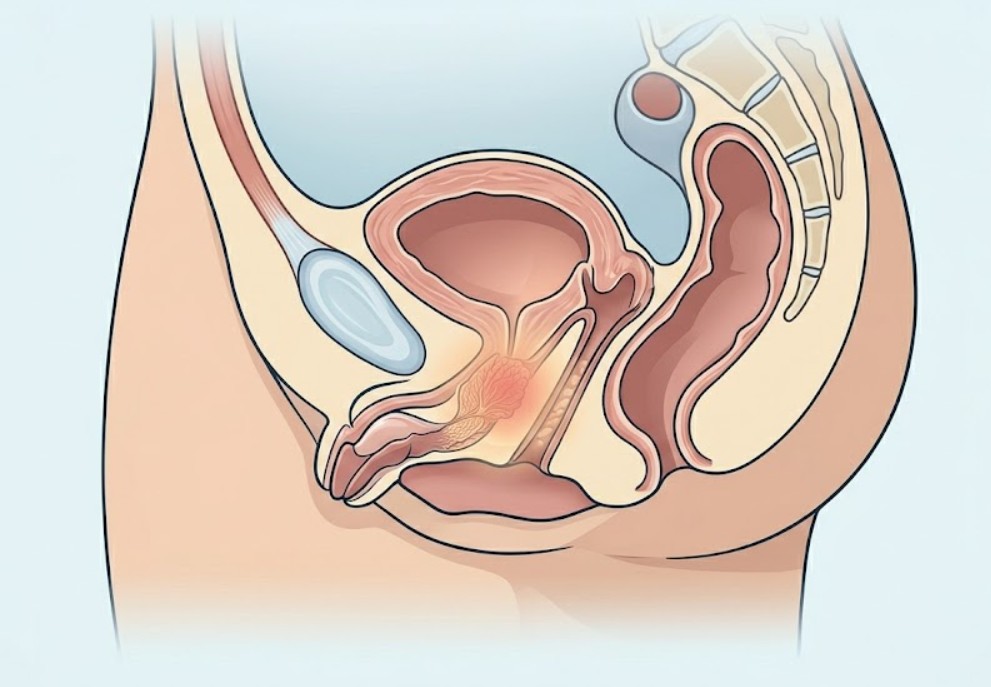
G-spot orgasms are considerably harder to achieve, especially through standard penetrative sex alone. Reaching this state usually requires a highly relaxed physical and emotional condition, often relying on specific manual techniques, such as finger stimulation.
The pleasure of a G-spot orgasm is in the same category as a clitoral climax, but its intensity is significantly stronger. It feels like an intense warm current or energy rushing upwards, creating an overwhelming sensation that the body is about to explode or burst.
Unlike the clitoral orgasm—which builds to a peak and then drops—a G-spot orgasm can feel continuous and unstoppable once triggered. This intense climax often leads to a complete loss of physical control, profound body shaking, and squirting (which can completely wet the bed). Because of this profound loss of bodily control, experiencing a G-spot orgasm for the first time can actually feel a bit frightening.
3. Cervical Orgasm
The cervical orgasm has the highest difficulty level. It requires a strict set of conditions: being with a partner you have deep feelings for, extreme mutual familiarity with each other’s bodies, and penetration deep enough to reach the cervix.
Initially, cervical stimulation might not feel good at all; it can cause a sharp, non-pleasurable pain. Reaching a cervical orgasm requires slow, patient interaction and gentle, step-by-step touches, almost like having a conversation with the body.
Once this state is unlocked, the sensation is profoundly spiritual and holistic. It feels like a magical connection that simultaneously links the vagina, the heart, and the brain, actively engaging your brainwaves in the process. Physically, every touch on the cervix feels like popping tiny plastic bubble wrap—creating a series of small, continuous bursting sensations of pleasure. This climax triggers involuntary vaginal muscle contractions and spontaneous pelvic movements. However, it may sometimes lack the definitive feeling of “release” found in other orgasms, which might leave a woman wondering if the climax was fully completed.
Conclusion: Every woman’s body is unique, and the journey to discovering these sensations requires patience, communication, and exploration. Understanding these three distinct pathways can help individuals better understand their bodies and enjoy a more fulfilling intimate life.